Research
Published and forthcoming articles and selected preprints.
Published & forthcoming
- Heterogeneity Pursuit in Large-Scale Association Networks via REACHLetian Li, Zemin Zheng, Bo Zhang, and Jie ZhangJournal of Business & Economic Statistics, 2026+Accepted; online publication pending.
Recovering the large-scale response-predictor association network is of great practical importance, which can be regarded as a special type of multi-task supervised learning widely applied in various modern scientific areas such as social media marketing and medical science. In big data applications, the complex dependence structures between responses and predictors frequently exhibit heterogeneity since samples are often collected from multi-mode populations, yet identifying the heterogeneity in the association networks has not been comprehensively studied. To fill this gap, we propose a new approach for heterogeneity identification in the large-scale association networks called regularized rank-constrained heterogeneity pursuit (REACH). It combines the techniques of rank-constrained group regularization and pairwise fusion penalization to achieve simultaneous dimension reduction and heterogeneity identification. To implement the proposed method, we develop a new algorithm based on the augmented Lagrangian method coupled with block coordinate descent (ALM-BCD) and derive its convergence guarantees. Under mild regularity conditions, we show that REACH enjoys nice sampling properties including consistency in estimation, prediction, heterogeneity recovery, and rank selection. Moreover, we also demonstrate that the proposed estimator attains the minimax optimal rate. The practical utility of our suggested method is illustrated through simulation examples and an application to the Communities and Crime Dataset.
- Row-Wise Fusion Regularization: An Interpretable Personalized Federated Learning Framework in Large-Scale ScenariosRunlin Zhou, Letian Li*, and Zemin ZhengStat, Mar 2026
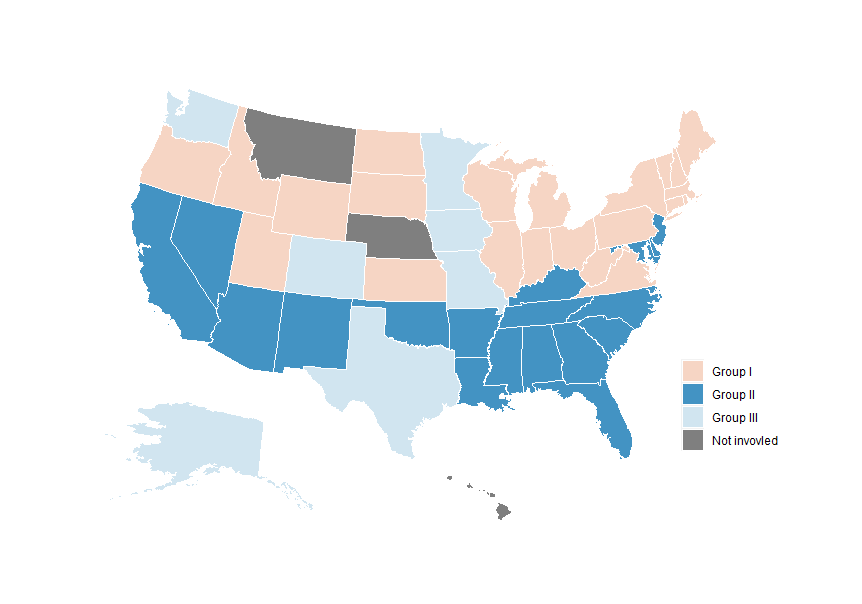
We study personalized federated learning for multivariate responses where client models are heterogeneous yet share variable-level structure. Existing entry-wise penalties ignore cross-response dependence, while matrix-wise fusion over-couples clients. We propose a Sparse Row-wise Fusion (SROF) regularizer that clusters row vectors across clients and induces within-row sparsity, and we develop RowFed, a communication-efficient federated algorithm that embeds SROF into a linearized ADMM framework with privacy-preserving partial participation. Theoretically, we establish an oracle property for SROF—achieving correct variable-level group recovery with asymptotic normality—and prove convergence of RowFed to a stationary solution. Under random client participation, the iterate gap contracts at a rate that improves with participation probability. Empirically, simulations in heterogeneous regimes show that RowFed consistently lowers estimation and prediction error and strengthens variable-level cluster recovery over NonFed, FedAvg and a personalized matrix-fusion baseline. A real-data study further corroborates these gains while preserving interpretability. Together, our results position row-wise fusion as an effective and transparent paradigm for large-scale personalized federated multivariate learning, bridging the gap between entry-wise and matrix-wise formulations.
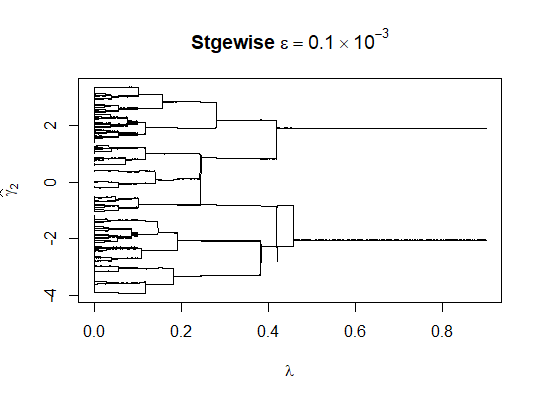
- Truncated Fusion Learning on Supervised Clustering and Its Fast Stagewise AlgorithmLetian Li, Yang Li, Jie Zhang, and Zemin ZhengINFORMS Journal on Computing, Dec 2025
Supervised clustering has emerged to be a popular topic for studying heterogeneous effects in diverse areas such as risk management and medical science. In this paper, we introduce a general heterogeneity tracking model that accommodates various common paradigms for supervised clustering. Building on this new model, we propose a novel method called truncated fusion learning (TRUE) for conducting clustering, which involves a nonconvex fusion penalized optimization. For implementation, we innovate a thresholded fusion stagewise algorithm that allows for quickly tracing out the entire solution paths of TRUE. Under mild regularity conditions, we provide comprehensive theoretical guarantees including the convergence of the proposed algorithm, as well as consistency in parameter estimation, cluster recovery, and model selection. The superior performance of our method is demonstrated by several simulation examples and applications to two real data sets.
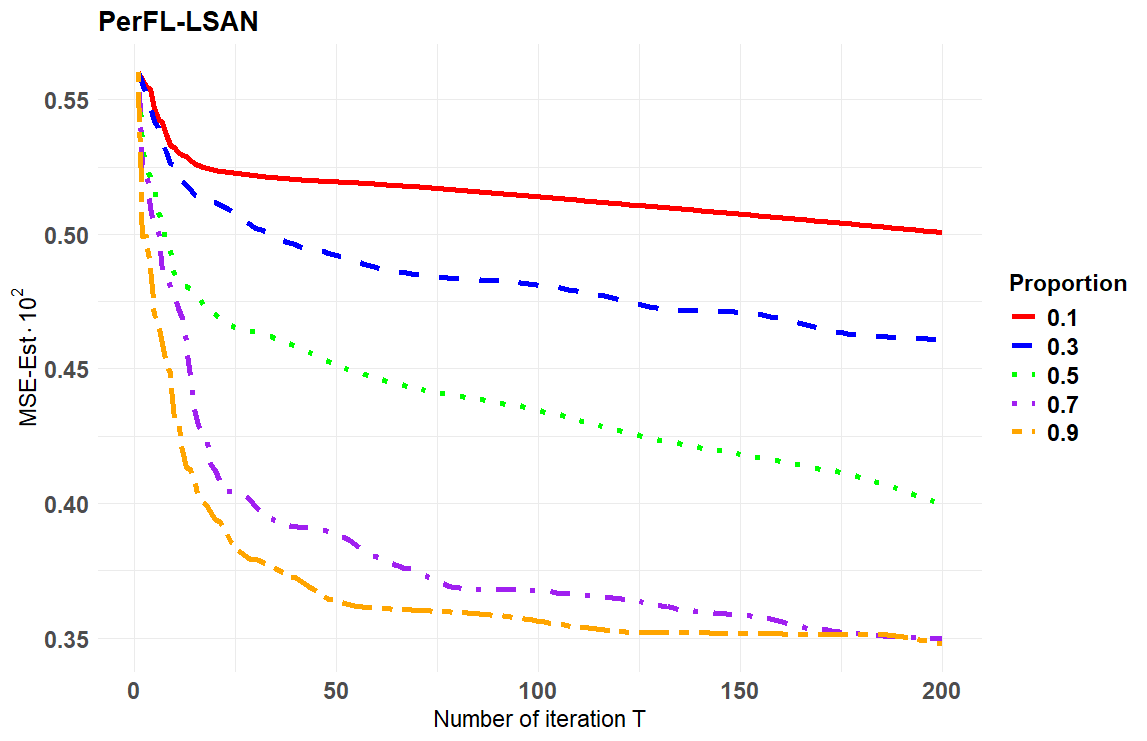
- Personalized Federated Learning on Large-Scale Association NetworksLetian Li, Runlin Zhou, and Zemin ZhengStatistics and Computing, Jul 2025
Federated learning (FL) has rapidly gained traction for its capacity to facilitate collaborative model training across decentralized data sources while maintaining data privacy. Addressing the challenges stemming from intrinsic heterogeneity in local data distributions, personalization has become an essential aspect in advancing FL techniques. In this study, we introduce a new personalized federated learning (PFL) framework for recovering large-scale response-predictor association networks, named sparse clustered association learning (SCALE). This approach subtly incorporates sparse orthogonal factor learning and fusion penalization, enabling the joint exploration of latent relationships and structured clustering. To operationalize SCALE, we develop the PerFL-LSAN algorithm, tailored specifically for large-scale association networks recovery within federated settings. Theoretical analyses confirm the convergence guarantee of the PerFL-LSAN algorithm and the statistical consistency of the proposed estimator. We further validate the practical effectiveness of the new method through multiple simulation experiments and a real-world application on the Communities and Crime dataset.
- FDR
 Research on the Influencing Factors of Long-term Dynamic Correlation of Chinese Stock and Bond Market—Based on the Perspective of Macroeconomic Uncertainty and SynchronizationLetian Li, Xuan Li, Ruilin Hu, and Bin LiFinancial Development Research, Apr 2020Annual Best Paper Award
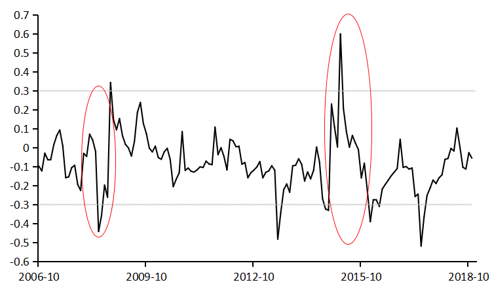
Based on non-arbitrage affine model of modern macro-economics and pricing method of “pricing kernel”, this paper splits the correlation coefficient between stock market and bond market yield into its main driving factors—the uncertainty of inflation and real interest rate, as well as the covariance among inflation, real interest rate and dividend yield. In the empirical part, DCC-MGARCH model is first used to calculate the dynamic correlation coefficient of stock market and bond market yields, verifying the time-varying rule of correlation between Chinese stocks and bonds. Then, the paper explores the contribution of the selected explanatory variables to the correlation between Chinese stocks and bonds through regression analysis. The results show that the uncertainty of inflation, real interest rate and dividend yield, and the covariance among the three are the main factors affecting the correlation. Inflation shocks, real interest rates and dividend yields explain the temporary divergence from long-term dynamics. Among them, the impact of the uncertainty of inflation and dividend yield on the correlation between stocks and bonds is different from that of other major European and American countries, which reflects the particularity of the Chinese economic market. In addition, compared with the stable period of China’s economic market, the influence of these economic factors will change during the period of stock market turbulence, and the explanatory power of the model will be reduced.

Selected preprints
- Multi-task Dynamic Pricing under Sparse Heterogeneity with High-Dimensional DataLetian Li, Jie Zhang, and Yang LiUnder major revision at Mathematics of Operations Research.
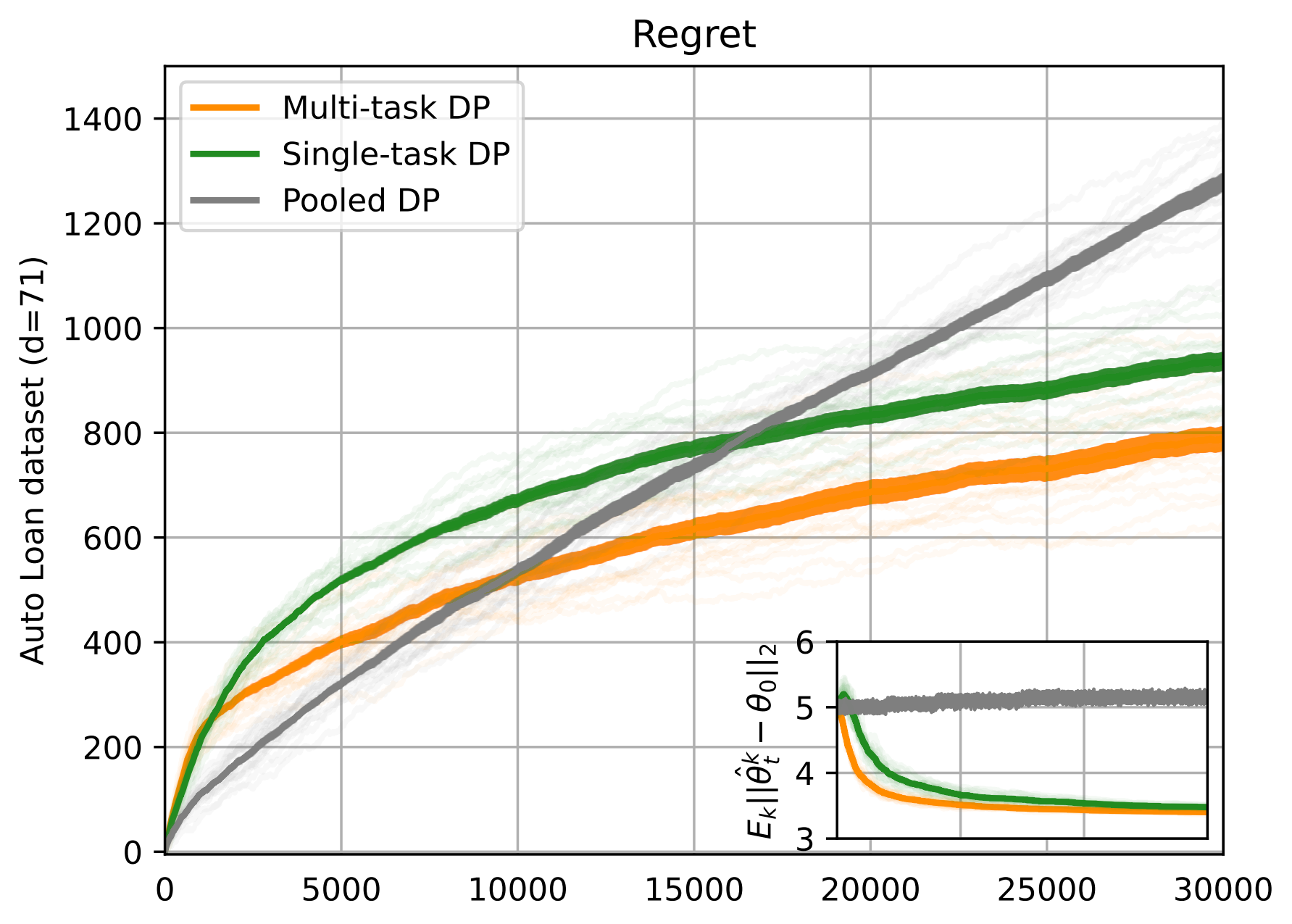
With rapid technological advancements and the widespread presence of online marketplaces, many firms can implement a personalized pricing policy using contextual information of customers from several, possibly heterogeneous sources. For instance, a firm may aim to learn the demand model of a product at different retail stores to optimize pricing or inventory decisions, facilitating joint learning and knowledge transfer among stores. In this paper, we propose a multi-task dynamic pricing framework for integrative analysis using data from multiple sources, enabling dynamic pricing based on the prevailing demand model, which is defined as the model supported by the majority of sites. The demand model is assumed to be a high-dimensional linear model under sparse heterogeneity where the source/task associated parameters are composed of a global (shared) parameter and a sparse task-specific term. We propose the multi-task dynamic pricing (MTDP) algorithm, which leverages the shared parameter across all tasks and then refines the sparse task-specific parameters for each individual task. Under mild conditions, we derive a new high probability error bound for the multi-task estimator and establish an upper bound for the regret of the MTDP algorithm. Our theoretical analysis demonstrates that the proposed MTDP policy outperforms the single-task pricing policy. Furthermore, we corroborate the efficiency of the proposed policy through extensive simulation experiments and a real data application, which illustrate practical value of incorporating multi-task learning in dynamic pricing.
- SUPER: Computationally Efficient Scale-Adaptive Fusion Penalized Regression for Subgroup IdentificationLetian Li, Jie Wu, Daoji Li, and Zemin ZhengUnder major revision at Statistics and Computing.
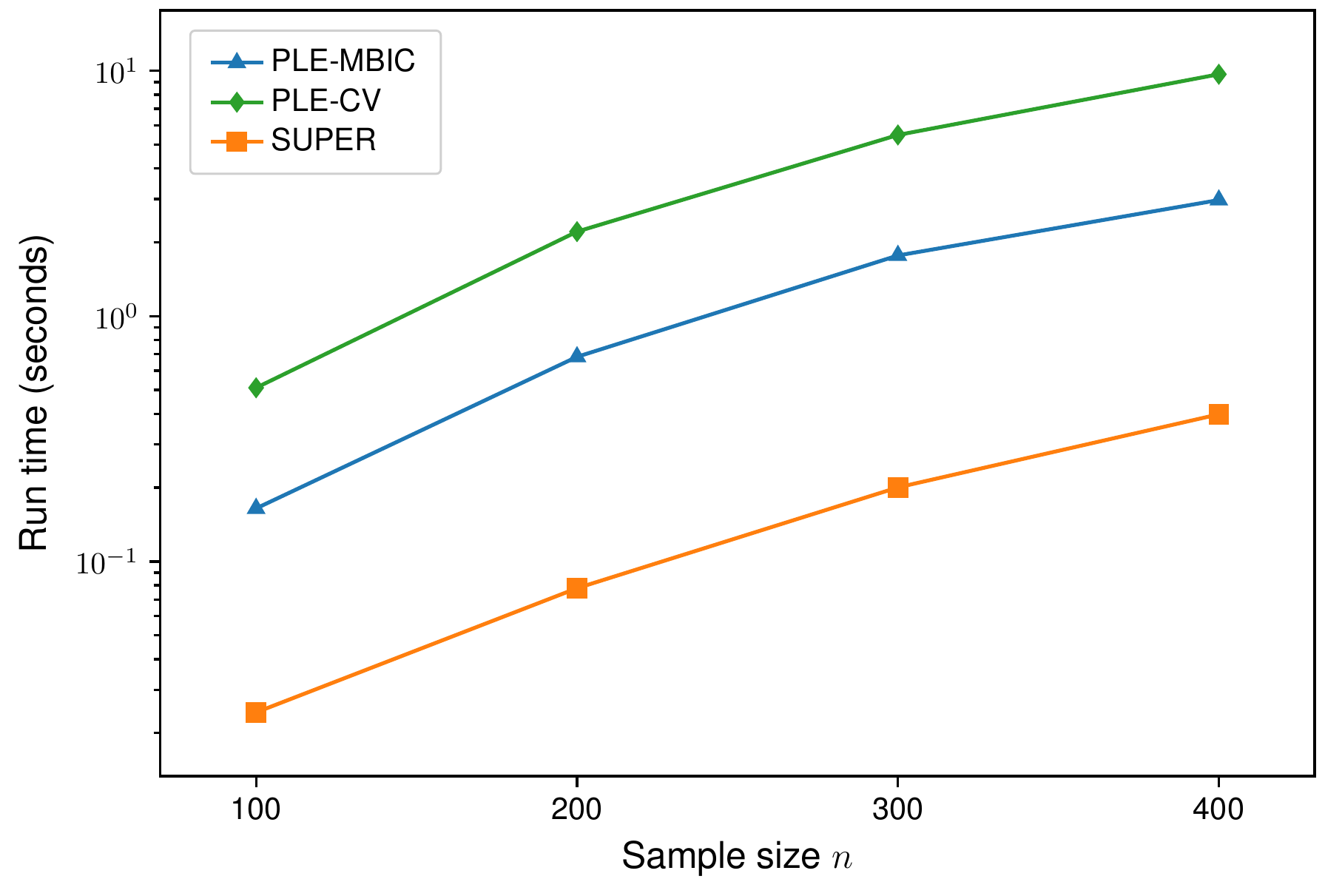
Subgroup identification has attracted significant attention in recent years as heterogeneity becomes increasingly prevalent in many applications. Since the number of subgroups is often unknown in practice, pairwise fusion-penalized approaches have been widely used for subgroup analysis. However, these methods usually require repeatedly solving the penalized problem over a grid of fusion-penalty parameter values and selecting the optimal value by an information criterion or cross-validation, which can dominate the computational cost. To address this challenge, we propose a computationally efficient method for subgroup identification, termed scaled fusion penalized regression (SUPER). The proposed approach estimates the noise level in fusion-penalized regression and uses it to calibrate the effective fusion penalty, thereby avoiding the outer grid search over the original fusion-penalty parameter and substantially reducing computational cost. We develop an algorithm based on the alternating direction method of multipliers (ADMM) to efficiently implement the proposed method. We further establish the consistency and asymptotic normality of the resulting estimator, providing theoretical guarantees for the procedure. Both computational and theoretical advantages of SUPER are demonstrated by simulation studies and a real data analysis.
- PREPRINT
 Robust Cooperative Multi-Agent Recommendation with Mixed Sources: A Provably Efficient Bandit ApproachLetian Li, Rui Zhao, and Zemin ZhengIn submission.
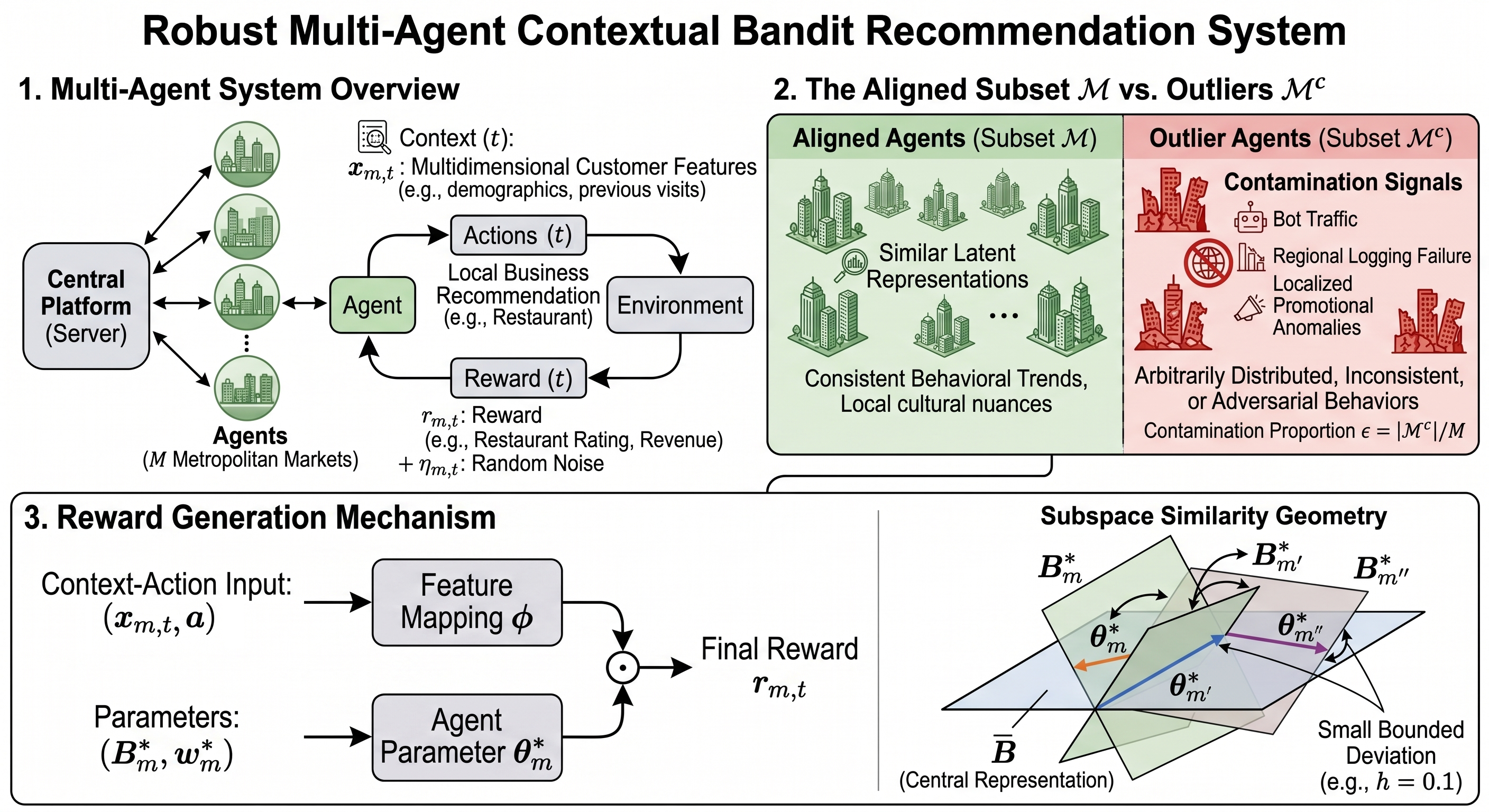
Modern recommendation systems increasingly span distributed, heterogeneous sources such as regional markets. While shared latent user preferences make collaborative learning attractive, real-world deployments are frequently disrupted by localized structural deviations and adversarial contamination. In this paper, we investigate how platforms can deliver personalized recommendations that exploit shared structures among informative sources while remaining robust to arbitrary anomalies. We formulate a multi-agent contextual bandit framework that bounds subspace deviations among aligned agents while accommodating an arbitrary fraction of outlier sources. To operationalize this, we propose the Robust Collaborative Multi-Agent Bandit algorithm—a distributed online approach that couples spectral filtering based robust aggregation of local estimators with a bias-corrected regularized policy, adaptively balancing global consensus and local autonomy. Our theoretical analysis establishes sharp non-asymptotic estimation errors and an interpretable regret upper bound that adapts seamlessly to varying degrees of heterogeneity and contamination. The algorithm recovers the optimal collaborative rate in benign environments and gracefully degrades to the single-agent rate under severe contamination, with a matching minimax lower bound confirming its near-optimality. Comprehensive evaluations on the Yelp and KuaiRand datasets demonstrate substantial performance gains over established baselines, illustrating how platforms can safely leverage statistical strength across markets while neutralizing unreliable sources.
- PREPRINT
 Feature-Sparse Neural Demand Learning for High-Dimensional Contextual Dynamic PricingLetian Li, Jie Zhang, and Zemin ZhengIn submission.
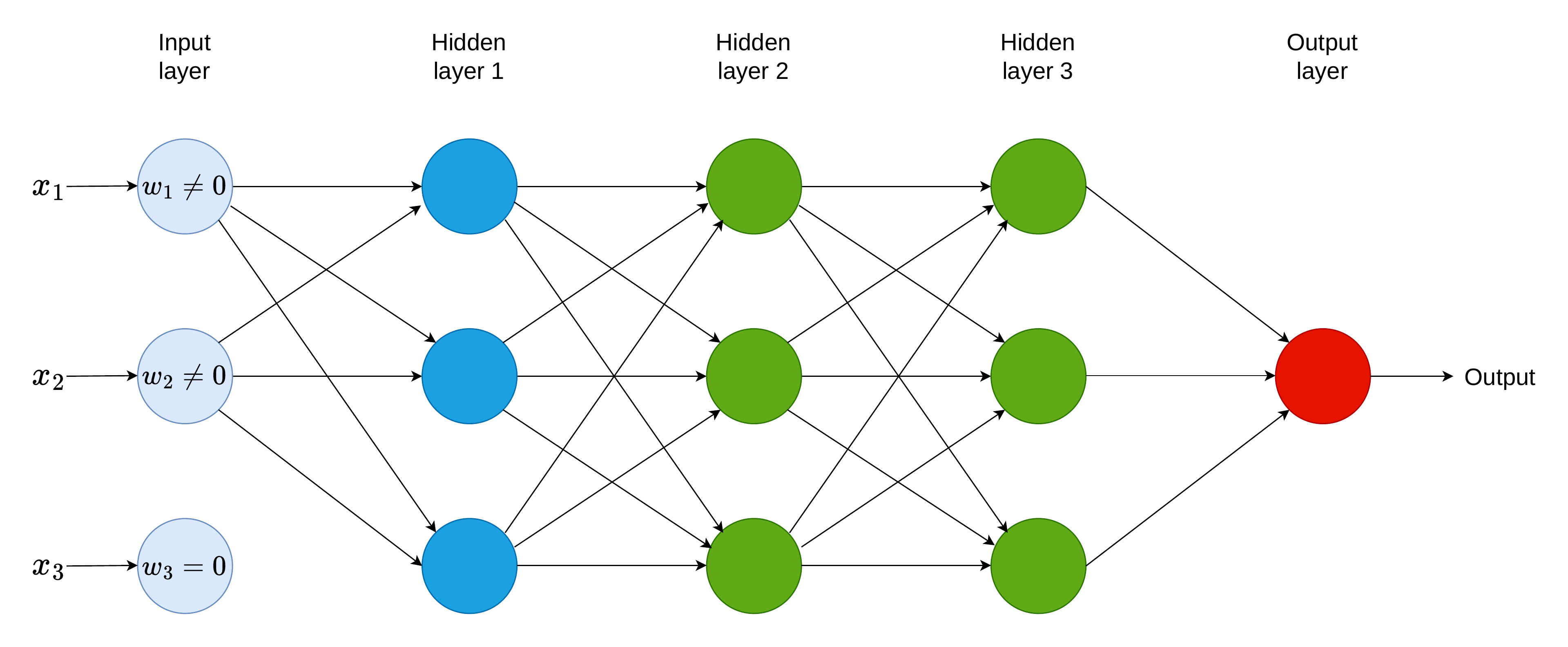
Problem definition: Dynamic pricing concerns the sequential adjustment of product prices over time by combining demand learning with policy optimization. In this paper, we study contextual dynamic pricing under high-dimensional nonparametric demand models, where product valuations depend flexibly on observed features and market noise. Methodology/results: We incorporate a feature-sparse deep neural network architecture into the dynamic pricing framework to flexibly estimate the unknown and complex demand function while controlling model complexity and mitigating the risk of overfitting to limited randomized exploration data. We then propose the group-ℓ₀-constrained neural network learning assisted dynamic pricing (GCNN-DP) algorithm based on the exploration-exploitation mechanism. Under some mild conditions, we establish the regret upper bound for the GCNN-DP algorithm, which achieves regret of order O(T^((2β′+1)/(4β′+1)) (log T + s log(d/s))). Here, T denotes the time horizon, d is the covariates dimension, s is the sparsity level of the significant covariates and β′ ≥ 1 is the smoothness parameter. In the limiting case β′ → ∞, the upper bound becomes Õ(√T), matching the optimal rate for high-dimensional linear demand models. The regret bound depends only logarithmically on the covariate dimensionality, reflecting how the group-ℓ₀ input-sparsity constraint limits estimation error from irrelevant covariates and supports reliable predictive pricing performance in high-dimensional settings. Managerial implications: Our results provide practical guidance for firms seeking to implement personalized pricing policies using rich contextual information. In settings where consumer demand depends on a large number of covariates through complex and nonlinear relationships, flexible nonparametric modeling can substantially reduce the risk of model misspecification inherent in conventional parametric approaches. Moreover, our framework highlights the value of exploiting high-dimensional customer information to identify key demand drivers and support more accurate, data-driven pricing decisions.
- PREPRINT
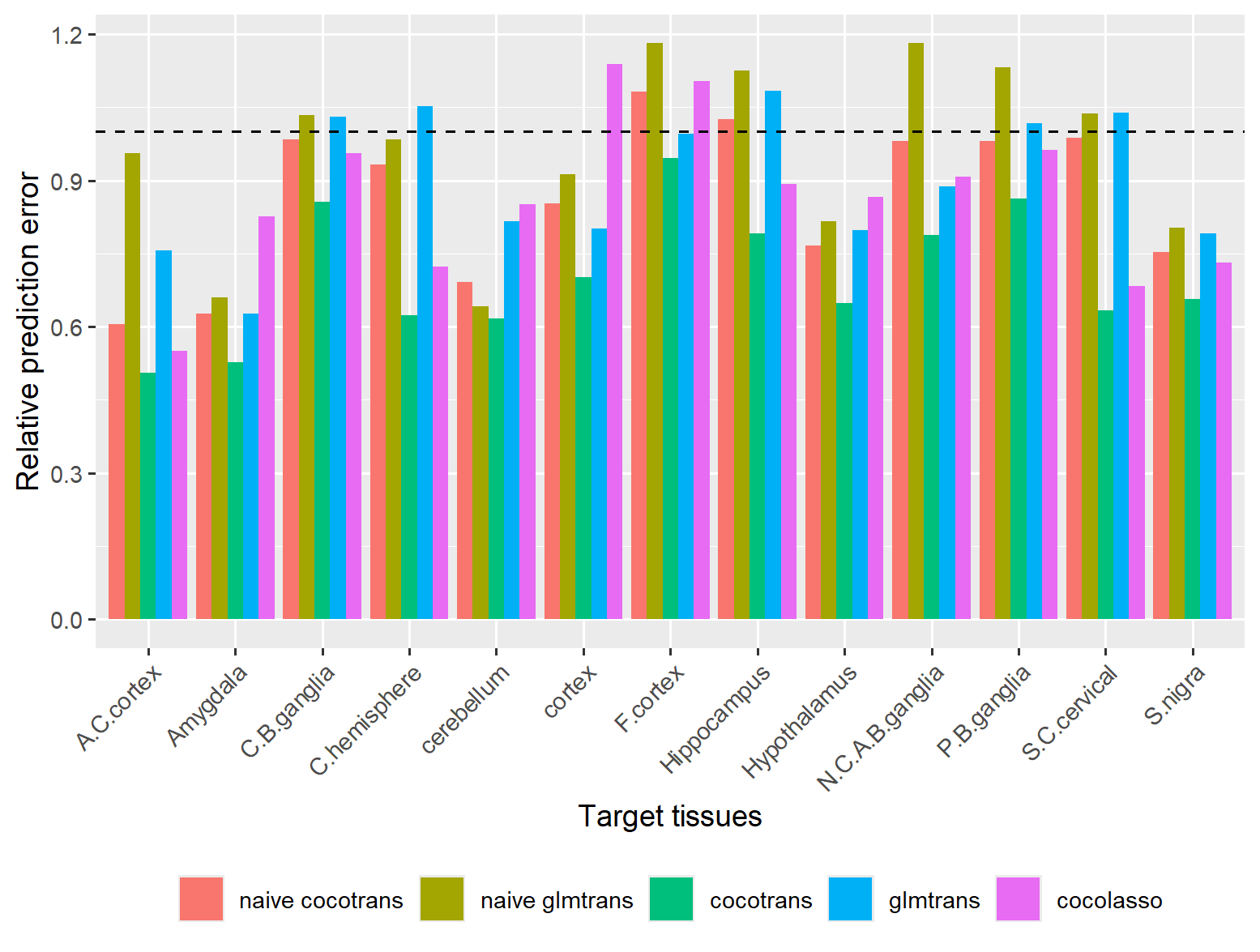 Transfer Learning for High-Dimensional Error-in-Variable Linear RegressionLetian Li, Jie Wu, and Daoji LiIn submission.
- PREPRINT
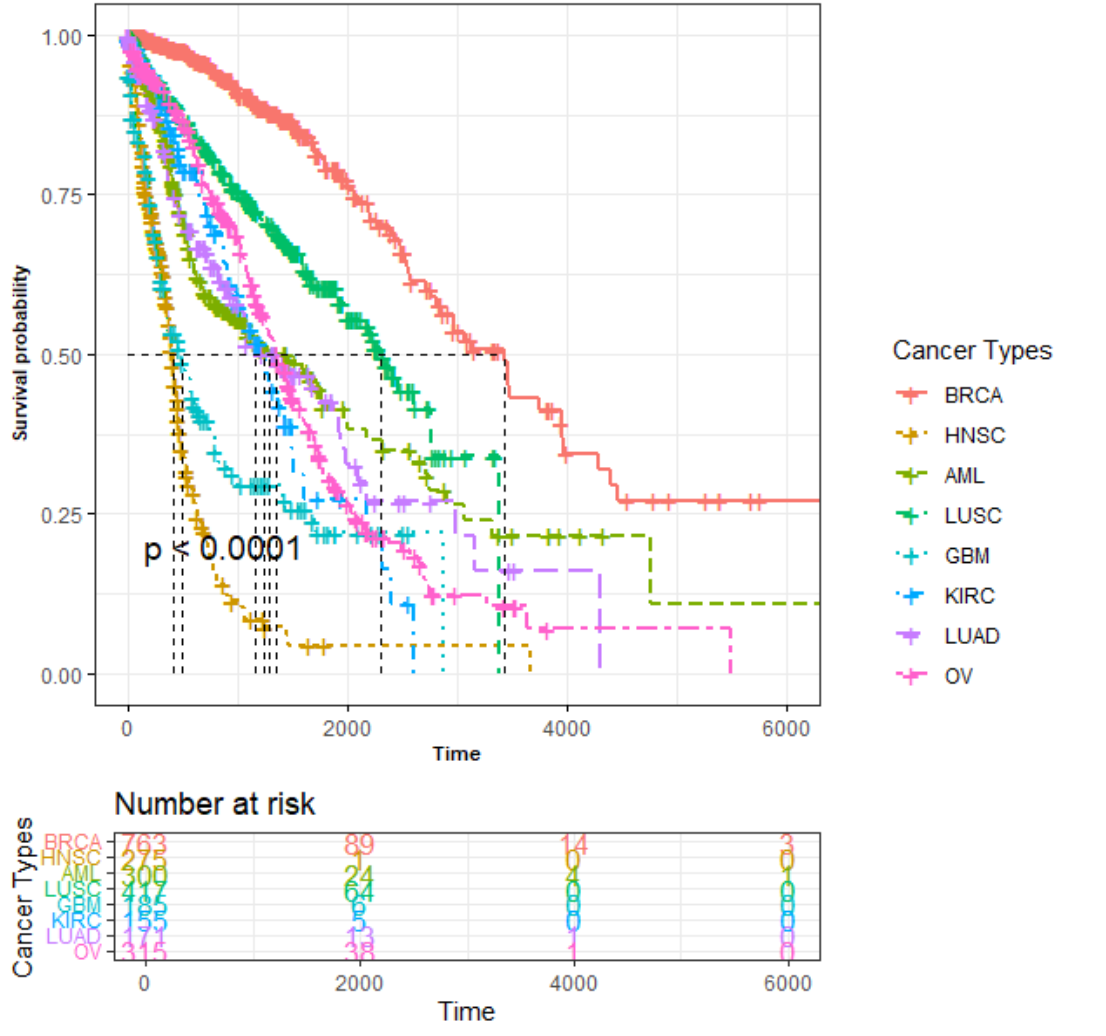 Transfer Learning for High-dimensional Accelerated Failure Time ModelsJie Wu, Daoji Li, Letian Li, and Zemin ZhengIn submission.
Transfer learning is a powerful tool to leverage information from different but related source domain to boost performance of the target task. Despite the substantial developments in various high-dimensional data analysis, survival data are insufficiently accounted by current transfer learning approaches. Random censoring mechanism, the population heterogeneity of multiple datasets and high dimensionality of predictors pose major challenges. How to properly conduct transfer learning procedure onto survival datasets to improve the statistical inference at the target and simultaneously guarantee theoretical properties remain unclear. In this paper, we propose a new transfer learning method for the high dimensional right-censored survival data under accelerated failure time (AFT) model. The proposed method applies mean imputation techniques to adjust for censoring data, thus facilitating the subsequent pooling and debiasing transfer procedures. We show that under mild conditions, the proposed method achieves lower error bounds over the existing non-transfer learning methods even there exists obstacles from censoring. We also develop an algorithm based on sample splitting to detect informative source datasets and prove that the selected informative sources is consistent with the true one. Extensive simulation results and a real data case concerning TCGA micro-array gene expression are reported to support our theoretical claims and to demonstrate the empirical usefulness of the proposed transfer learning method.